Buy ejcem.eu ?
We are moving the project
ejcem.eu .
Are you interested in purchasing the domain
ejcem.eu ?
domain@kv-gmbh.de · 0541-91531010
Buy ejcem.eu ?
How is the copyright regulated for designer furniture?
Copyright for designer furniture is regulated by the laws of the country where the furniture is being produced and sold. In many countries, original designs are automatically protected by copyright as soon as they are created. However, some designers may choose to register their designs with a copyright office for additional protection. Infringement of copyrighted designer furniture can result in legal action and the payment of damages to the original designer. Additionally, some countries have specific laws and regulations that apply to the design and production of furniture, which can also impact copyright protection. **
Where is custody regulated?
Custody is regulated at both the state and federal levels in the United States. Each state has its own laws and guidelines regarding child custody, which are typically based on the best interests of the child. Additionally, federal laws such as the Uniform Child Custody Jurisdiction and Enforcement Act (UCCJEA) help to ensure consistency and cooperation between states in custody matters. Overall, custody is a complex legal issue that is governed by a combination of state and federal laws. **

Similar search terms for Regulated
Top-Angebote
Products related to Regulated:
-
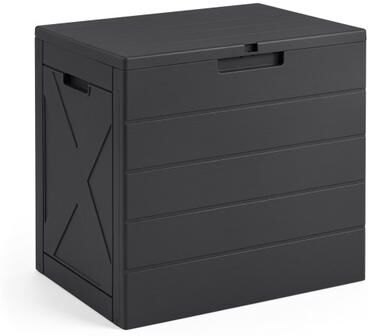
Costway 25 Gallon Storage Bin with Lid Carry Handles and Lock Hole for Patio Furniture Accessories-BlackTurn clutter into curb appeal with this 25-gallon outdoor deck storage box, which is made to hold everything from garden tools and pool gear to patio extras, packages, and everyday essentials.35,99 $*Shipping: 0,00 $Secure redirect to the provider
-
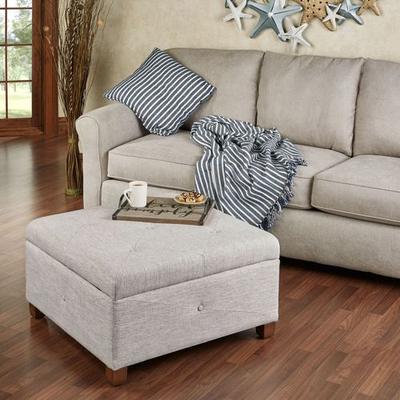
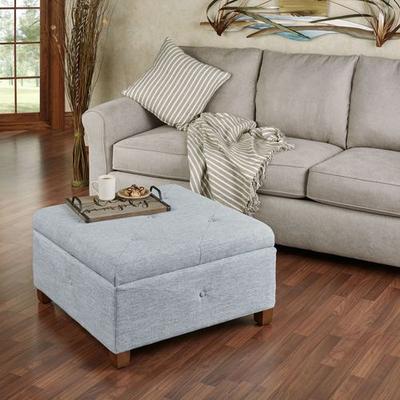
Jla Home/Furniture & Decor Caroline Storage Ottoman Blue Shadow , Blue ShadowThe versatile Caroline Blue Shadow Storage Ottoman offers good looks, utility, and function. This wooden ottoman is beautifully covered in a tufted, heathered blue shadow polyester fabric and is perfect in your living space. The cushioned top is...285,00 $*Shipping: 0,00 $Secure redirect to the provider
-
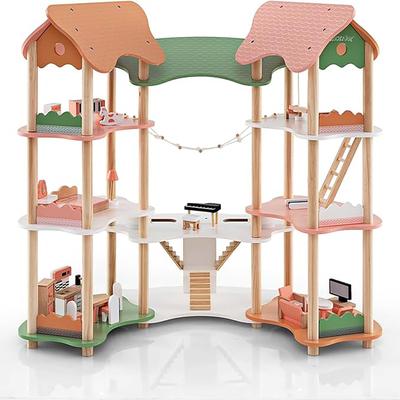
Kids Wooden Dollhouse Aged 3-8 w/ 32PCS Furniture AccessoriesGift your kids an enchanting world with our doll house! Featuring 3 tiers and 7 rooms, our doll house playset turns any nook of your child's room into a whimsical haven of delight.162,99 $*Shipping: 0,00 $Secure redirect to the provider
-
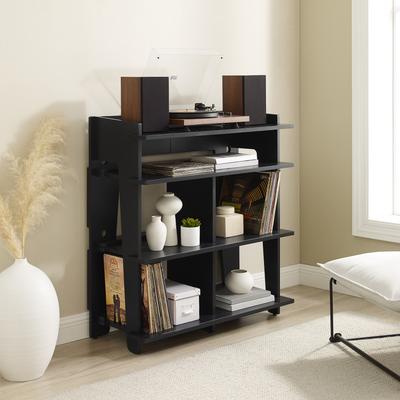
Crosley Furniture Soho Record Storage ConsoleThe Soho Record Storage Console is what every vinyl lover needs. The top shelf fits most turntable systems, while the second is perfect for an amplifier or receiver. Cable management holes ensure cords stay organized and out of view.247,59 $*Shipping: 0,00 $Secure redirect to the provider
-
How is the warranty for furniture regulated in case of structural changes?
The warranty for furniture in case of structural changes is typically regulated by the manufacturer's policies. Most furniture warranties cover structural defects that occur under normal use, but may not cover damages caused by misuse or alterations made by the customer. It is important to carefully review the warranty terms and conditions to understand what is covered and how to make a claim in case of structural changes. If the structural changes are due to a defect covered by the warranty, the manufacturer may repair or replace the furniture at no cost to the customer. **
-
How is the warranty for furniture regulated in the case of structural changes?
The warranty for furniture in the case of structural changes is typically regulated by the manufacturer's warranty policy. Most furniture warranties cover structural defects and workmanship for a specific period of time, such as one year or more. However, if the structural changes are a result of misuse, improper assembly, or modifications made by the customer, the warranty may be voided. It's important to carefully review the warranty terms and conditions to understand what is covered and what may void the warranty in the case of structural changes. **
-
How is sick pay regulated?
Sick pay is regulated by a combination of federal, state, and local laws in the United States. The Family and Medical Leave Act (FMLA) requires certain employers to provide unpaid leave for medical reasons, including sickness. Some states and cities have also implemented paid sick leave laws that require employers to provide a certain amount of paid sick leave to employees. Additionally, some employers may offer sick pay as part of their company policies or collective bargaining agreements with unions. Overall, sick pay regulations can vary depending on the location and size of the employer. **
-
How are company holidays regulated?
Company holidays are regulated by the company's policies and procedures, which are typically outlined in the employee handbook or through communication from the human resources department. These policies may include information on the number of holidays provided, how they are determined (e.g. fixed holidays or floating holidays), and any eligibility criteria for employees to receive holiday pay. Additionally, company holidays may be regulated by federal or state labor laws, which may dictate minimum requirements for holiday pay and time off. Overall, company holidays are regulated through a combination of internal company policies and external legal regulations. **

How can they be regulated?
They can be regulated through government policies and regulations that set standards for their production, distribution, and use. This can include laws that limit the amount of pollutants they can emit, require the use of certain technologies to reduce environmental impact, or mandate reporting and monitoring of their operations. Additionally, industry-specific regulations and oversight bodies can help ensure compliance with these regulations and hold companies accountable for any violations. Public pressure and consumer demand for more sustainable practices can also influence companies to self-regulate and adopt more environmentally friendly policies. **
What is a regulated activity?
A regulated activity is an economic or financial activity that is subject to oversight and regulation by a government authority or regulatory body. These activities are typically considered to be of significant importance to the functioning of the economy or the protection of consumers, and therefore require specific rules and standards to be followed. Examples of regulated activities can include banking, insurance, investment services, and healthcare. Compliance with regulations is necessary to ensure the safety, stability, and integrity of these industries. **
Top-Angebote
Products related to Regulated:
-
Jla Home/Furniture & Decor Caymus Storage Bench Gray , GrayThe Caymus Storage Bench offers a chic simplicity designed by Martha Stewart. With natural-finished wood legs, the bench features a wide upholstered design in light gray woven polyester with piped accents. The 3.25 thick, foam-filled cushion also...299,99 $*Shipping: 0,00 $Secure redirect to the provider
-
Jla Home/Furniture & Decor Caroline Storage Ottoman Tan , TanThe versatile Caroline Tan Storage Ottoman offers good looks, utility, and function. This wooden ottoman is beautifully covered in a tufted, heathered tan polyester fabric and is perfect in your living space. The cushioned top is great for sitting...285,00 $*Shipping: 0,00 $Secure redirect to the provider
-
Costway 25 Gallon Storage Bin with Lid Carry Handles and Lock Hole for Patio Furniture Accessories-BlackTurn clutter into curb appeal with this 25-gallon outdoor deck storage box, which is made to hold everything from garden tools and pool gear to patio extras, packages, and everyday essentials.35,99 $*Shipping: 0,00 $Secure redirect to the provider
-
Jla Home/Furniture & Decor Caroline Storage Ottoman Blue Shadow , Blue ShadowThe versatile Caroline Blue Shadow Storage Ottoman offers good looks, utility, and function. This wooden ottoman is beautifully covered in a tufted, heathered blue shadow polyester fabric and is perfect in your living space. The cushioned top is...285,00 $*Shipping: 0,00 $Secure redirect to the provider
-
How is the copyright regulated for designer furniture?
Copyright for designer furniture is regulated by the laws of the country where the furniture is being produced and sold. In many countries, original designs are automatically protected by copyright as soon as they are created. However, some designers may choose to register their designs with a copyright office for additional protection. Infringement of copyrighted designer furniture can result in legal action and the payment of damages to the original designer. Additionally, some countries have specific laws and regulations that apply to the design and production of furniture, which can also impact copyright protection. **
-
Where is custody regulated?
Custody is regulated at both the state and federal levels in the United States. Each state has its own laws and guidelines regarding child custody, which are typically based on the best interests of the child. Additionally, federal laws such as the Uniform Child Custody Jurisdiction and Enforcement Act (UCCJEA) help to ensure consistency and cooperation between states in custody matters. Overall, custody is a complex legal issue that is governed by a combination of state and federal laws. **
-
How is the warranty for furniture regulated in case of structural changes?
The warranty for furniture in case of structural changes is typically regulated by the manufacturer's policies. Most furniture warranties cover structural defects that occur under normal use, but may not cover damages caused by misuse or alterations made by the customer. It is important to carefully review the warranty terms and conditions to understand what is covered and how to make a claim in case of structural changes. If the structural changes are due to a defect covered by the warranty, the manufacturer may repair or replace the furniture at no cost to the customer. **
-
How is the warranty for furniture regulated in the case of structural changes?
The warranty for furniture in the case of structural changes is typically regulated by the manufacturer's warranty policy. Most furniture warranties cover structural defects and workmanship for a specific period of time, such as one year or more. However, if the structural changes are a result of misuse, improper assembly, or modifications made by the customer, the warranty may be voided. It's important to carefully review the warranty terms and conditions to understand what is covered and what may void the warranty in the case of structural changes. **
Similar search terms for Regulated
-
Kids Wooden Dollhouse Aged 3-8 w/ 32PCS Furniture AccessoriesGift your kids an enchanting world with our doll house! Featuring 3 tiers and 7 rooms, our doll house playset turns any nook of your child's room into a whimsical haven of delight.162,99 $*Shipping: 0,00 $Secure redirect to the provider
-
Crosley Furniture Soho Record Storage ConsoleThe Soho Record Storage Console is what every vinyl lover needs. The top shelf fits most turntable systems, while the second is perfect for an amplifier or receiver. Cable management holes ensure cords stay organized and out of view.247,59 $*Shipping: 0,00 $Secure redirect to the provider
-
Costway 25 Gallon Storage Bin with Lid Carry Handles and Lock Hole for Patio Furniture Accessories-BrownTurn clutter into curb appeal with this 25-gallon outdoor deck storage box, which is made to hold everything from garden tools and pool gear to patio extras, packages, and everyday essentials.35,99 $*Shipping: 0,00 $Secure redirect to the provider
-
How is sick pay regulated?
Sick pay is regulated by a combination of federal, state, and local laws in the United States. The Family and Medical Leave Act (FMLA) requires certain employers to provide unpaid leave for medical reasons, including sickness. Some states and cities have also implemented paid sick leave laws that require employers to provide a certain amount of paid sick leave to employees. Additionally, some employers may offer sick pay as part of their company policies or collective bargaining agreements with unions. Overall, sick pay regulations can vary depending on the location and size of the employer. **
-
How are company holidays regulated?
Company holidays are regulated by the company's policies and procedures, which are typically outlined in the employee handbook or through communication from the human resources department. These policies may include information on the number of holidays provided, how they are determined (e.g. fixed holidays or floating holidays), and any eligibility criteria for employees to receive holiday pay. Additionally, company holidays may be regulated by federal or state labor laws, which may dictate minimum requirements for holiday pay and time off. Overall, company holidays are regulated through a combination of internal company policies and external legal regulations. **
-
How can they be regulated?
They can be regulated through government policies and regulations that set standards for their production, distribution, and use. This can include laws that limit the amount of pollutants they can emit, require the use of certain technologies to reduce environmental impact, or mandate reporting and monitoring of their operations. Additionally, industry-specific regulations and oversight bodies can help ensure compliance with these regulations and hold companies accountable for any violations. Public pressure and consumer demand for more sustainable practices can also influence companies to self-regulate and adopt more environmentally friendly policies. **
-
What is a regulated activity?
A regulated activity is an economic or financial activity that is subject to oversight and regulation by a government authority or regulatory body. These activities are typically considered to be of significant importance to the functioning of the economy or the protection of consumers, and therefore require specific rules and standards to be followed. Examples of regulated activities can include banking, insurance, investment services, and healthcare. Compliance with regulations is necessary to ensure the safety, stability, and integrity of these industries. **
* All prices are inclusive of VAT and, if applicable, plus shipping costs. The offer information is based on the details provided by the respective shop and is updated through automated processes. Real-time updates do not occur, so deviations can occur in individual cases. ** Note: Parts of this content were created by AI.