Buy ejcem.eu ?
We are moving the project
ejcem.eu .
Are you interested in purchasing the domain
ejcem.eu ?
domain@kv-gmbh.de · 0541-91531010
Buy ejcem.eu ?
What is a HashMap in Java?
A HashMap in Java is a data structure that stores key-value pairs. It uses a technique called hashing to store and retrieve elements quickly. Each key is unique, and the HashMap allows null values and the null key. It provides constant-time performance for basic operations such as get and put, making it a popular choice for storing and retrieving data in Java applications. **
How do you use the HashMap in Java?
In Java, you can use the HashMap class to store key-value pairs. You can add elements to the HashMap using the put() method, specifying both the key and the value. You can retrieve a value from the HashMap using the get() method, passing in the key. You can also remove elements from the HashMap using the remove() method. Additionally, you can iterate through the elements of the HashMap using a loop or the forEach() method. **
Similar search terms for HashMap
Top-Angebote
Products related to HashMap:
-
Jla Home/Furniture & Decor Caymus Storage Bench Gray , GrayThe Caymus Storage Bench offers a chic simplicity designed by Martha Stewart. With natural-finished wood legs, the bench features a wide upholstered design in light gray woven polyester with piped accents. The 3.25 thick, foam-filled cushion also...299,99 $*Shipping: 0,00 $Secure redirect to the provider
-
Jla Home/Furniture & Decor Caroline Storage Ottoman Tan , TanThe versatile Caroline Tan Storage Ottoman offers good looks, utility, and function. This wooden ottoman is beautifully covered in a tufted, heathered tan polyester fabric and is perfect in your living space. The cushioned top is great for sitting...289,00 $*Shipping: 0,00 $Secure redirect to the provider
-
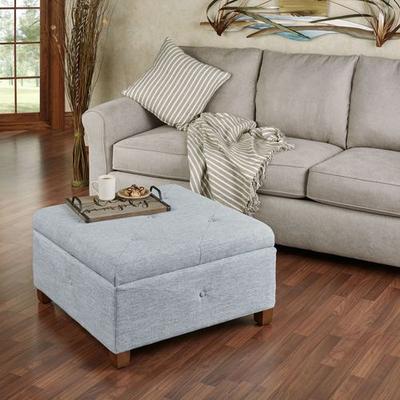
Jla Home/Furniture & Decor Caroline Storage Ottoman Blue Shadow , Blue ShadowThe versatile Caroline Blue Shadow Storage Ottoman offers good looks, utility, and function. This wooden ottoman is beautifully covered in a tufted, heathered blue shadow polyester fabric and is perfect in your living space. The cushioned top is...289,00 $*Shipping: 0,00 $Secure redirect to the provider
-
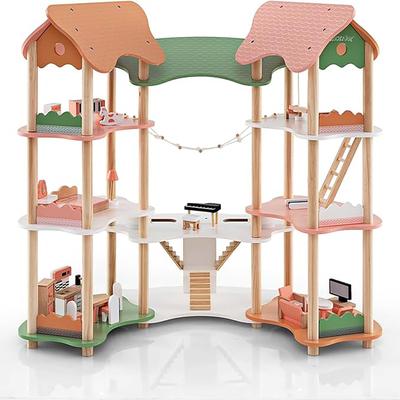
Kids Wooden Dollhouse Aged 3-8 w/ 32PCS Furniture AccessoriesGift your kids an enchanting world with our doll house! Featuring 3 tiers and 7 rooms, our doll house playset turns any nook of your child's room into a whimsical haven of delight.162,99 $*Shipping: 0,00 $Secure redirect to the provider


-
How can one efficiently use a Java HashMap?
One can efficiently use a Java HashMap by understanding its key features and best practices. First, it is important to choose the right data type for the key and value to ensure efficient retrieval and storage. Additionally, it is crucial to properly handle collisions by using an appropriate hashing function and implementing a strategy for resolving conflicts. Finally, it is important to consider the load factor and capacity of the HashMap to ensure optimal performance. By following these best practices, one can efficiently use a Java HashMap for storing and retrieving key-value pairs. **
-
How can you retrieve specific values from a HashMap?
To retrieve specific values from a HashMap in Java, you can use the `get()` method by passing the key for which you want to retrieve the value. For example, if you have a HashMap called `map` and you want to retrieve the value associated with the key "key1", you can do so by calling `map.get("key1")`. This method will return the value associated with the specified key, or null if the key is not found in the HashMap. **
-
How can specific values be printed from a HashMap?
Specific values can be printed from a HashMap by using the get() method to retrieve the value associated with a specific key. For example, if we have a HashMap called map and we want to print the value associated with the key "key1", we can use map.get("key1") to retrieve and print the value. Additionally, we can use a loop to iterate through the keys and print their associated values. Another option is to use the values() method to get a Collection of all the values in the HashMap and then iterate through this collection to print the values. **
-
How do I generate keys for a Java HashMap?
To generate keys for a Java HashMap, you can use any object that implements the hashCode() and equals() methods. These methods are used to determine the hash code of the key and to check for equality between keys. You can use built-in Java classes like String or Integer as keys, or you can create your own custom class and override the hashCode() and equals() methods to define the behavior for generating and comparing keys. Once you have your keys, you can use the put() method to add key-value pairs to the HashMap. **

How do you read the value in a HashMap?
To read the value in a HashMap, you can use the get() method by passing the key for which you want to retrieve the value. For example, if you have a HashMap called map and you want to retrieve the value associated with the key "key1", you can use map.get("key1") to get the value. This method will return the value associated with the specified key, or null if the key is not present in the HashMap. **
How do you store players in a HashMap or ArrayList?
In a HashMap, players can be stored by using their unique identifier as the key and the player object as the value. This allows for quick retrieval of player information based on their identifier. In an ArrayList, players can be stored by simply adding them to the list. The position of the player in the ArrayList can be used to access and manipulate player information. Both data structures provide different ways to store and access player information based on the requirements of the application. **
Top-Angebote
Products related to HashMap:
-
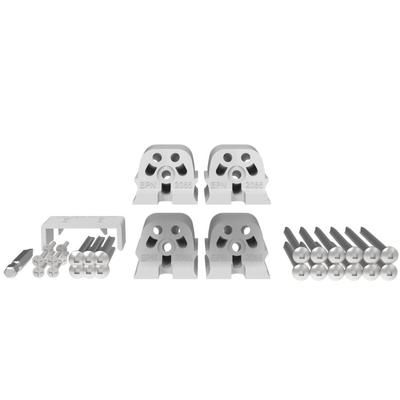
RDI Outdoor Lighting Accessories Transform 4 BracketsThe RDI Outdoor Lighting Accessories completes the Outdoor Lighting options with the necessary parts. Use the LED wiring to connect RDI Low voltage lights and lighted post caps. For help adding light to your LED lighting system use a 2-way or 5-way...26,19 $*Shipping: 0,00 $Secure redirect to the provider
-
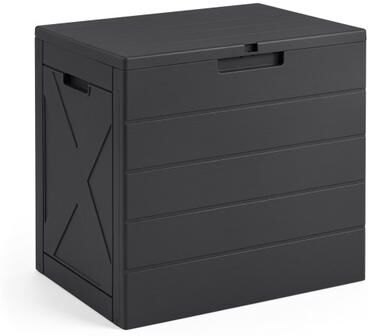
Costway 25 Gallon Storage Bin with Lid Carry Handles and Lock Hole for Patio Furniture Accessories-BlackTurn clutter into curb appeal with this 25-gallon outdoor deck storage box, which is made to hold everything from garden tools and pool gear to patio extras, packages, and everyday essentials.35,99 $*Shipping: 0,00 $Secure redirect to the provider
-
Jla Home/Furniture & Decor Caymus Storage Bench Gray , GrayThe Caymus Storage Bench offers a chic simplicity designed by Martha Stewart. With natural-finished wood legs, the bench features a wide upholstered design in light gray woven polyester with piped accents. The 3.25 thick, foam-filled cushion also...299,99 $*Shipping: 0,00 $Secure redirect to the provider
-
Jla Home/Furniture & Decor Caroline Storage Ottoman Tan , TanThe versatile Caroline Tan Storage Ottoman offers good looks, utility, and function. This wooden ottoman is beautifully covered in a tufted, heathered tan polyester fabric and is perfect in your living space. The cushioned top is great for sitting...289,00 $*Shipping: 0,00 $Secure redirect to the provider
-
What is a HashMap in Java?
A HashMap in Java is a data structure that stores key-value pairs. It uses a technique called hashing to store and retrieve elements quickly. Each key is unique, and the HashMap allows null values and the null key. It provides constant-time performance for basic operations such as get and put, making it a popular choice for storing and retrieving data in Java applications. **
-
How do you use the HashMap in Java?
In Java, you can use the HashMap class to store key-value pairs. You can add elements to the HashMap using the put() method, specifying both the key and the value. You can retrieve a value from the HashMap using the get() method, passing in the key. You can also remove elements from the HashMap using the remove() method. Additionally, you can iterate through the elements of the HashMap using a loop or the forEach() method. **
-
How can one efficiently use a Java HashMap?
One can efficiently use a Java HashMap by understanding its key features and best practices. First, it is important to choose the right data type for the key and value to ensure efficient retrieval and storage. Additionally, it is crucial to properly handle collisions by using an appropriate hashing function and implementing a strategy for resolving conflicts. Finally, it is important to consider the load factor and capacity of the HashMap to ensure optimal performance. By following these best practices, one can efficiently use a Java HashMap for storing and retrieving key-value pairs. **
-
How can you retrieve specific values from a HashMap?
To retrieve specific values from a HashMap in Java, you can use the `get()` method by passing the key for which you want to retrieve the value. For example, if you have a HashMap called `map` and you want to retrieve the value associated with the key "key1", you can do so by calling `map.get("key1")`. This method will return the value associated with the specified key, or null if the key is not found in the HashMap. **
Similar search terms for HashMap
-
Jla Home/Furniture & Decor Caroline Storage Ottoman Blue Shadow , Blue ShadowThe versatile Caroline Blue Shadow Storage Ottoman offers good looks, utility, and function. This wooden ottoman is beautifully covered in a tufted, heathered blue shadow polyester fabric and is perfect in your living space. The cushioned top is...289,00 $*Shipping: 0,00 $Secure redirect to the provider
-
Kids Wooden Dollhouse Aged 3-8 w/ 32PCS Furniture AccessoriesGift your kids an enchanting world with our doll house! Featuring 3 tiers and 7 rooms, our doll house playset turns any nook of your child's room into a whimsical haven of delight.162,99 $*Shipping: 0,00 $Secure redirect to the provider
-
Costway 25 Gallon Storage Bin with Lid Carry Handles and Lock Hole for Patio Furniture Accessories-BrownTurn clutter into curb appeal with this 25-gallon outdoor deck storage box, which is made to hold everything from garden tools and pool gear to patio extras, packages, and everyday essentials.35,99 $*Shipping: 0,00 $Secure redirect to the provider
-
How can specific values be printed from a HashMap?
Specific values can be printed from a HashMap by using the get() method to retrieve the value associated with a specific key. For example, if we have a HashMap called map and we want to print the value associated with the key "key1", we can use map.get("key1") to retrieve and print the value. Additionally, we can use a loop to iterate through the keys and print their associated values. Another option is to use the values() method to get a Collection of all the values in the HashMap and then iterate through this collection to print the values. **
-
How do I generate keys for a Java HashMap?
To generate keys for a Java HashMap, you can use any object that implements the hashCode() and equals() methods. These methods are used to determine the hash code of the key and to check for equality between keys. You can use built-in Java classes like String or Integer as keys, or you can create your own custom class and override the hashCode() and equals() methods to define the behavior for generating and comparing keys. Once you have your keys, you can use the put() method to add key-value pairs to the HashMap. **
-
How do you read the value in a HashMap?
To read the value in a HashMap, you can use the get() method by passing the key for which you want to retrieve the value. For example, if you have a HashMap called map and you want to retrieve the value associated with the key "key1", you can use map.get("key1") to get the value. This method will return the value associated with the specified key, or null if the key is not present in the HashMap. **
-
How do you store players in a HashMap or ArrayList?
In a HashMap, players can be stored by using their unique identifier as the key and the player object as the value. This allows for quick retrieval of player information based on their identifier. In an ArrayList, players can be stored by simply adding them to the list. The position of the player in the ArrayList can be used to access and manipulate player information. Both data structures provide different ways to store and access player information based on the requirements of the application. **
* All prices are inclusive of VAT and, if applicable, plus shipping costs. The offer information is based on the details provided by the respective shop and is updated through automated processes. Real-time updates do not occur, so deviations can occur in individual cases. ** Note: Parts of this content were created by AI.